

The basis of mulch sowing with non inversion soil tillage
The main features of mulch sowing with non-inversion soil tillage are the loosening of the soil and leaving crop residues near or on the soil surface.
The aim of reducing the intensity of soil cultivation is to establish a soil structure that is as healthy and stable as possible, protected from erosion and capping by a year-round layer of mulch, thereby enabling high yields in the long term.
Steps in the mulch sowing process
- Harvest and straw management
- Good straw and chaff distribution over the complete cutting width of the combine ensures even recycling of nutrients from the previous crop.
- Tillage and weed control
- The first pass is shallow: Shallow stubble breaking with a compact disc harrow, shallow cultivator or ultra-shallow tillage with a cutting roller combination directly after the harvest breaks the soil capillarity, promotes the straw rotting process and ensures that the volunteer cereals and weed seeds germinate.
- The second pass is deep: Intensive loosening with a cultivator works the organic matter from the previous crop and weeds as well as volunteer cereals into the soil structure, provides aeration and can break up harmful compaction, meaning that the following crop can grow deeper into the soil. The working depth is determined by the soil type, the amount of organic matter from the previous crop and the compaction damage.
- Sowing with or without seedbed preparation
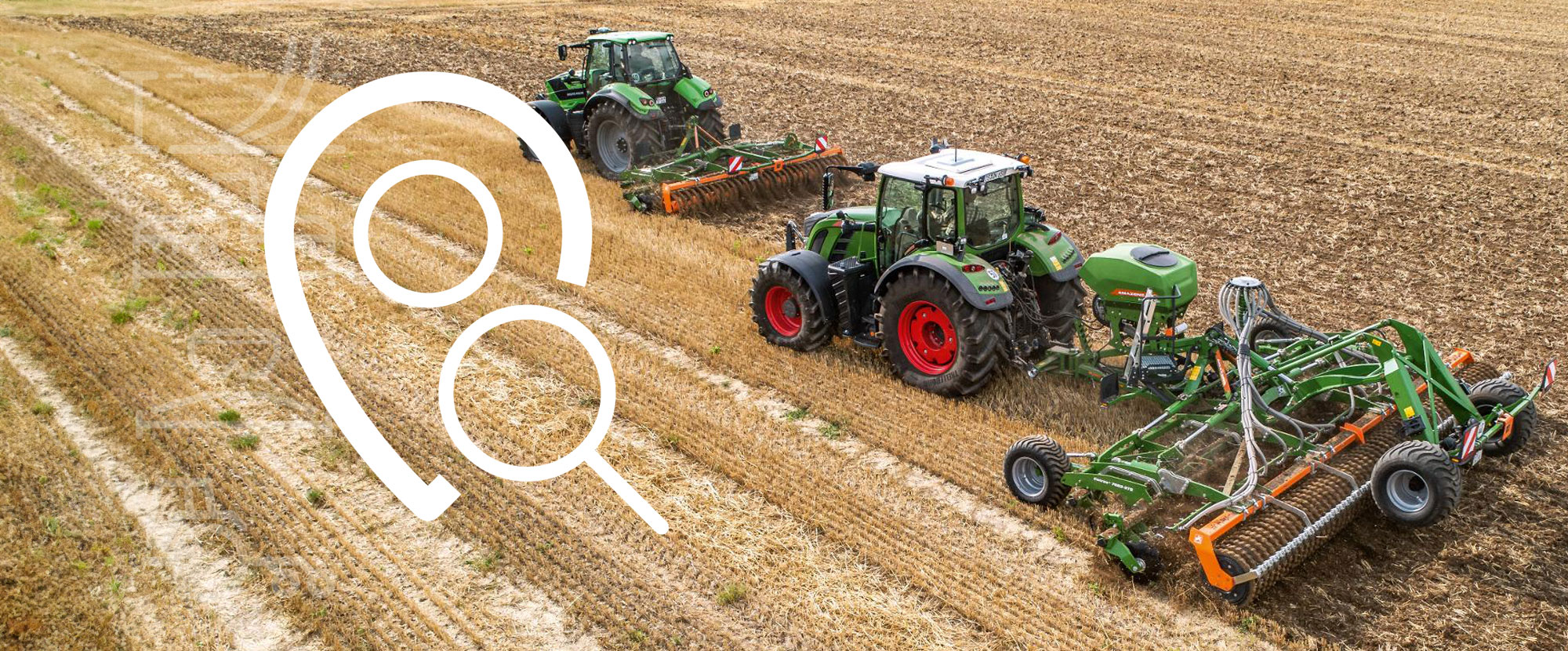
- Mulch sowing with seedbed preparation: A fine crumbed seedbed as the basis for even seed placement is produced shortly before or during sowing by means of compact disc harrows, front disc elements, rotary harrows or rotary cultivators in solo use or used as a seed drill combination. The seed is shallow-sown with conventional seed drills, covered by a harrow or other trailed units and pressed into the soil if required.
- Mulch sowing without seedbed preparation: A seedbed is dispensed with. The seed is shallow-sown with adapted seed drills such as tine seed drills or direct disc seed drills. Discs or tines clear the seed row of organic matter, open the seed furrow and deposit the seed. Trailing harrows or rollers close the seed furrow and, if required, consolidate the soil for optimum soil/seed contact.
Advantages and disadvantages of mulch sowing
Soil

Promotion of the soil life and humus formation, build-up of water-stable soil aggregates, reduction in the soil erosion by means of an organic top layer, improved gas exchange.

Promotion of fungal diseases due to the "green bridge", reduced level of warming, risk of soil compaction on wet soils, delayed passability, mulch material may not be available in sufficient quantities.
Water
Yield
Nutrients
Plant protection
Implements for mulch sowing from AMAZONE
CultivatorsCenio and Cenius, TopCut cutting roller combination, Cobra shallow cultivator, Catros, Certos and CombiDisccompact disc harrows, KE rotary harrow, KX rotary cultivator, as well as the Ceus tine & disc combination cultivator
Seed drills D9, Cataya, Centaya, Precea, Cayena, Condor, Primera DMC as well as the Avant and Cirrus seed drill combinations