

The basis of direct sowing without soil tillage
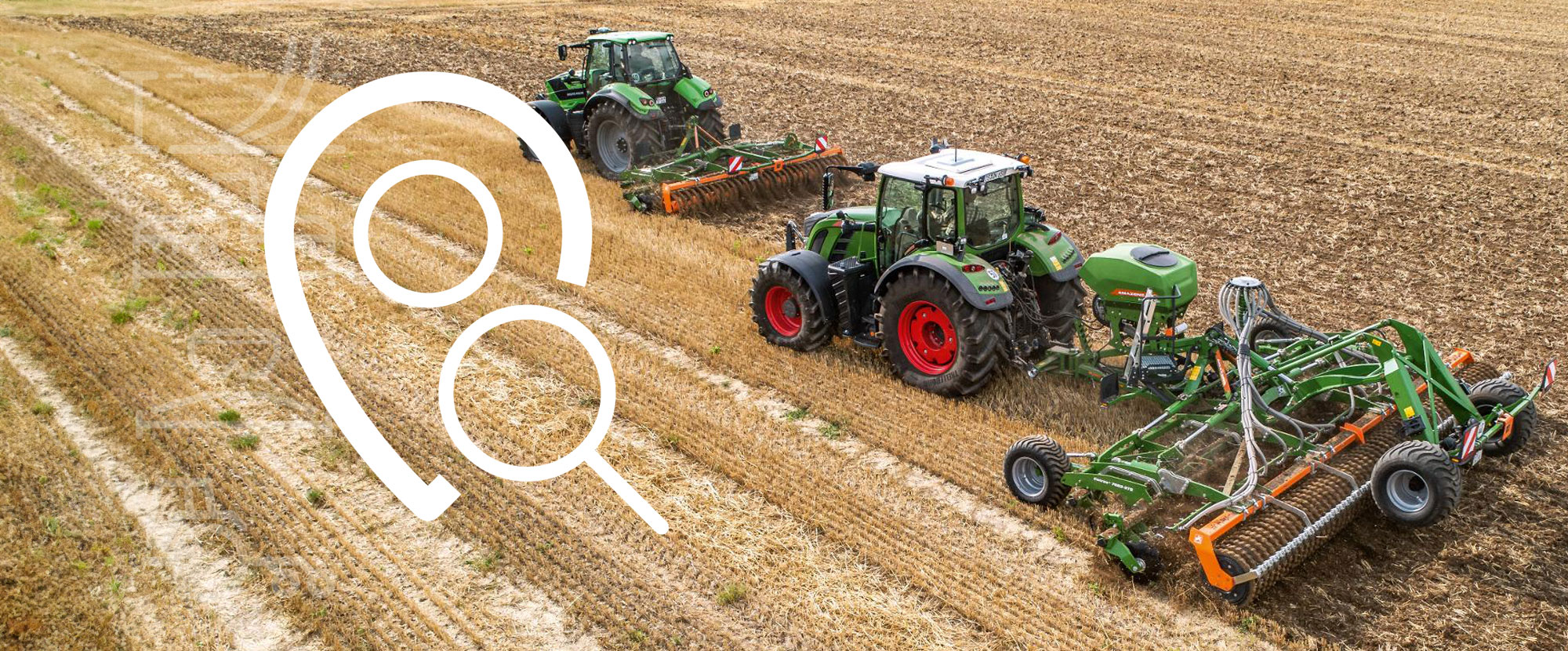
The main feature of direct sowing is the elimination of soil tillage after the previous harvest. The objective of this method is to promote maximum soil protection,
erosion control and water conservation for economic operation by means of high-performance seed drills with disc coulters or tine coulters, especially in dry regions.
Steps of the direct sowing process
- Harvest and straw management
- Good straw and chaff distribution over the complete cutting width of the
combine ensures even recycling of nutrients from the previous crop.
- Good straw and chaff distribution over the complete cutting width of the
- Weed control and seed bed preparation
- Weeds can be controlled with total herbicides.
- As an alternative, mechanical weed control can be provided with surface or
ultra-shallow top working with a cutting roller combination. The full-surface
cutting of stubble or organic matter can also improve the outcome of the
subsequent sowing and increase nutrient availability if long-stemmed
organic matter such as maize or sunflower residues is broken up and shredded
, thereby providing optimum conditions for decomposition.
- Seeding
- The seed drill implements clear the seed row of organic matter and open
the seed furrow. The seed is deposited and the seed furrow covered up by a packer wheel or
harrow and lightly consolidated if required.
- The seed drill implements clear the seed row of organic matter and open
Advantages and disadvantages of mulch sowing
Soil

Promotion of humus formation in the top soil layer, promotion of soil life, stabilised soil structure, hardly any erosion as a result of permanent coverage.

Risk of soil compaction depending on the soil type and climatic conditions.
Water
Reduced raindrop impact energy protects the soil structure and prevents capping as well as the dispersal of pathogenic fungi spores, very good water infiltration and water storage, reduction in water evaporation.
Later drying as a result of a higher useful water holding capacity.
Yield
High weather resilience.
Heavy dependency on the nutrient release and root capacity of the soil.
Nutrients
Prevention of temporary nutrient surpluses leads to improved nutrient efficiency.
Higher proportion of organic matter in the uppermost soil horizon may cause nutrient fixation and a delayed release.
Plant protection
A more uniform nutrient uptake results in a decrease in the disease susceptibility of the crop, a decrease in the germination of weeds and grass weeds through shading and the absence of soil tillage. This enables a theoretical reduction in the use of plant protection agents.
Increased need for total herbicides, increased slug infestation and mouse infestation, reduced effect of the plant protection agents as a result of the layer of mulch, no conventional plant protection possible.
Implements for direct sowing from AMAZONE
Seed drills Primera DMC, Condor and Cayena as well as all crop protection sprayers from AMAZONE and the TopCut cutting roller combination.