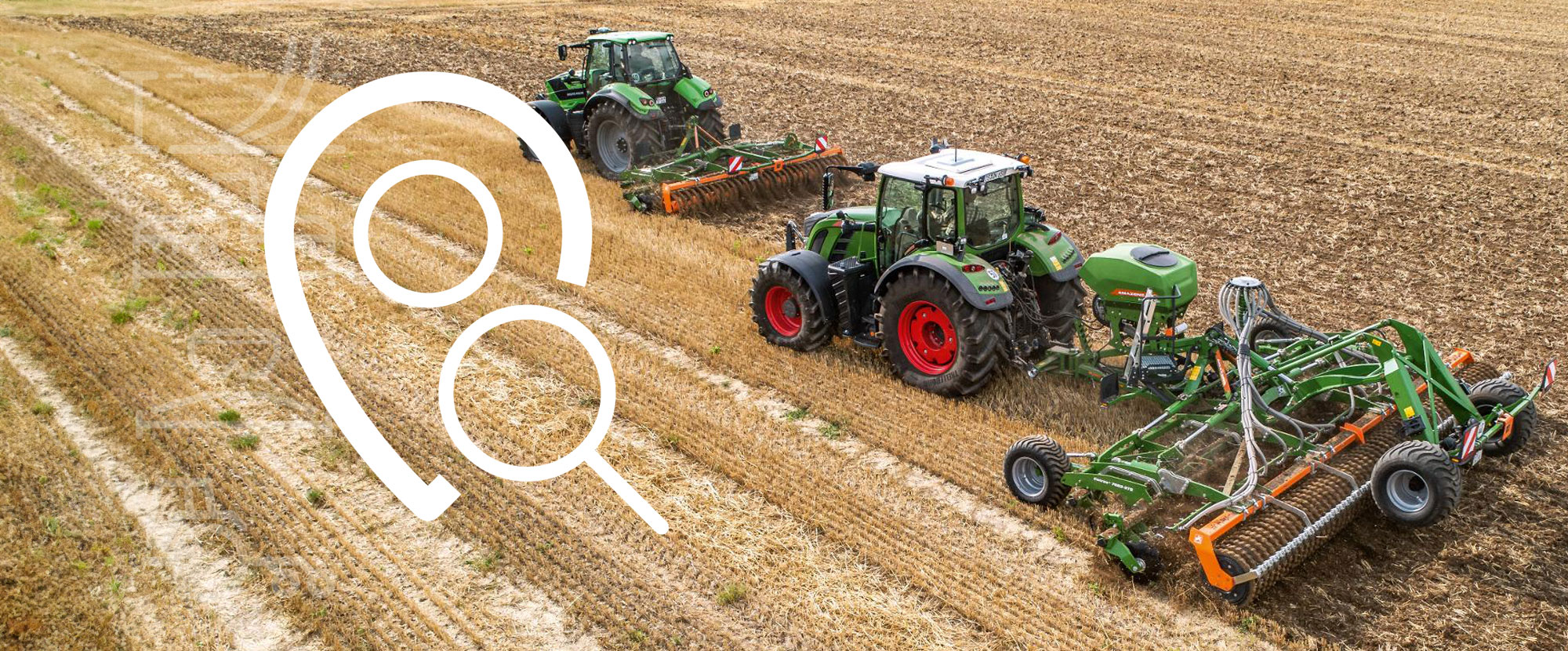


The basis of conventional sowing with inversion soil tillage
The main feature of conventional sowing with inversion soil tillage is the loosening of the top soil with the plough. Weeds and the organic matter from the previous crop are mixed into the soil in the process. This results in a loose soil surface without residues, which enables the trouble-free use of conventional sowing technology and leads to optimum field emergence.
Steps of the conventional sowing process
- Harvest and straw management
- Good straw and chaff distribution over the complete cutting width of the
combine ensures even recycling of nutrients from the previous crop.
- Good straw and chaff distribution over the complete cutting width of the
- Tillage and weed control
- Shallow stubble breaking with a compact disc harrow or shallow cultivator directly after the harvest breaks the soil capillarity, promotes the straw rotting process and
ensures that the volunteer cereals and weed seeds germinate. Ploughing the soil shortly before sowing works the organic matter from the previous crop and weeds as well as volunteer cereals into deeper soil layers, thereby providing a tabula rasa. It is important to carry out the tillage at the right time, depending on the soil conditions and the soil moisture. The correct working depth is also crucial. The working depth depends on the soil type, the crop rotation, the climatic conditions, the amount of organic matter from the previous crop and the compaction damage. - Good reconsolidation with a combined packer behind the plough accelerates the settling of over-loosened soils, thereby reinstating the capillarity and improving the passability of the field.
- Shallow stubble breaking with a compact disc harrow or shallow cultivator directly after the harvest breaks the soil capillarity, promotes the straw rotting process and
- Seedbed preparation and sowing
- A fine crumbed seedbed is provided as the basis for uniform seed placement shortly before or during sowing by means of an ultra-shallow
cutting roller combination. As an alternative, compact disc harrows, rotary harrows or rotary cultivators can be used as a solo machine or in a seed drill combination for this purpose
. - The seed is sown into the soil with conventional seed drills. The seed is covered with soil and pressed down with a harrow or another trailed unit if required.
This ensures good soil/seed contact with an adequate supply water for the seed.
- A fine crumbed seedbed is provided as the basis for uniform seed placement shortly before or during sowing by means of an ultra-shallow
Advantages and disadvantages of mulch sowing
Soil

Uniform incorporation of the organic matter in the surface soil, provision of nutrients from deeper layers, faster warming of the soil, increased oxygen exchange, levelling of ground undulations caused by heavy harvesting machinery.

Humus depletion, degradation of the soil life, soil compaction with plough pan possible, increased amount of macropores and increased risk of capping.
Water
Rapid drying.
Lower useful water holding capacity, reduced water infiltration and water storage, risk of erosion.
Yield
Good and stable yields, dependent on intensive care.
Reduced weather resilience.
Nutrients
Higher mineralisation, faster transformation of the organic matter.
Nutrient migration.
Plant protection
High effect rates of chemical plant protection agents owing to a tabula rasa, good starting point for mechanical weed control.
Higher risk of leaching of metabolites, burying of weed seeds.
Implements for conventional sowing from AMAZONE
Ploughs Cayros, Teres, Tyrok
Compact disc harrows Catros, Certos, CombiDisc
Cutting roller combination TopCut
Rotary harrows KE and rotary cultivators KX and KG
Seed drills D9, Cataya, Centaya, Citan, Precea, Primera DMC as well as the seed drill combination Avant and Cirrus