Customer feedback about the Condor

Dalel Dzhuzbaev, Kazakhstan, Condor 15001-C

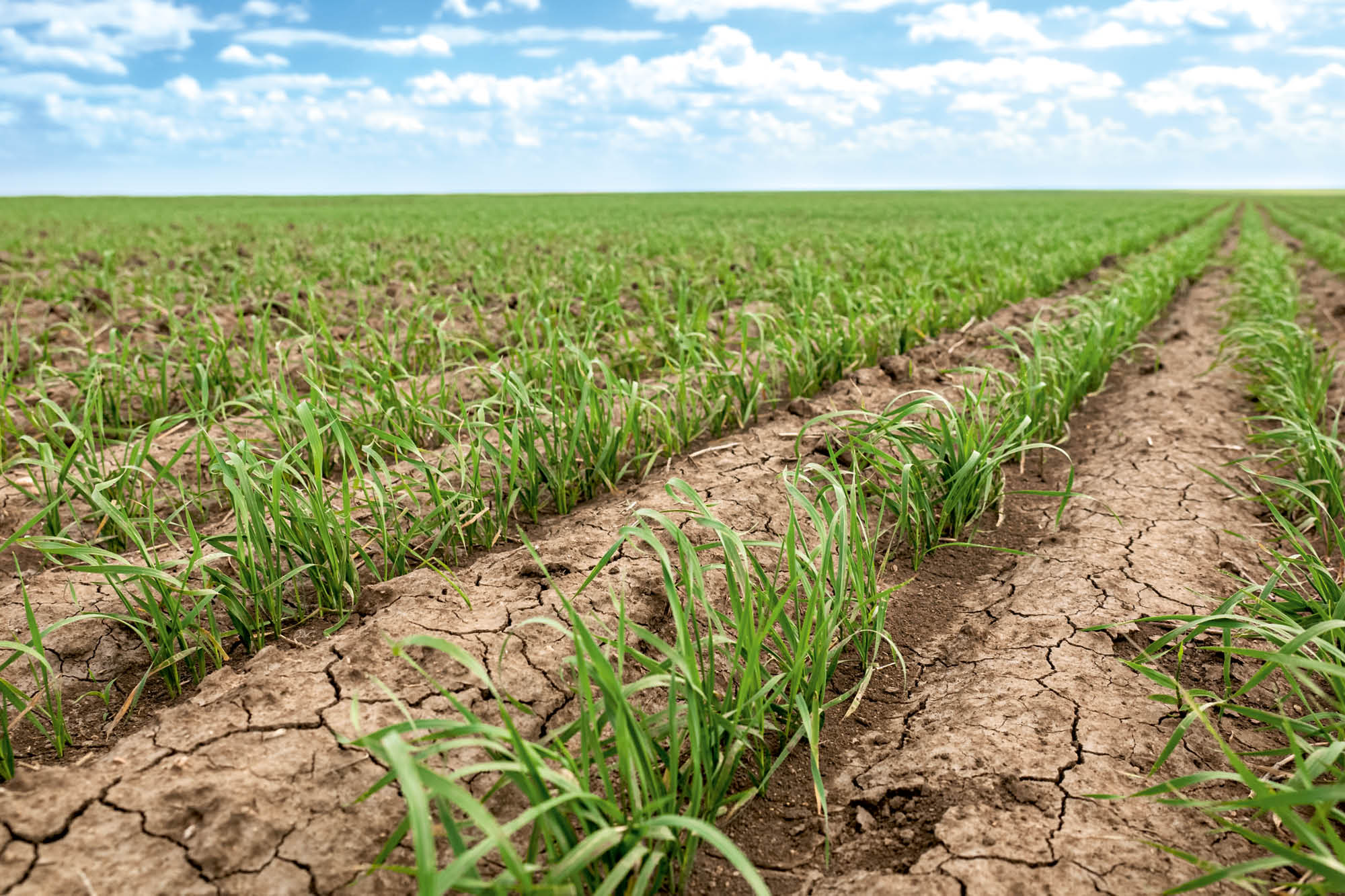
“Last year we achieved approx. 1.6 t/ha from the land that we drilled using the AMAZONE Condor. In areas where we sowed using a different seed drill, with different coulters, the yield was an average of just 800 to 900 kg/ha.” reports Dalel Dzhuzbaev, whose Miras 2000 farm is located in Sadyrbay in Kazakhstan. The farm grows mainly wheat, barley, flax, durum and grass on an area of 20,000 hectares. The farm decided to use the AMAZONE Condor, on account of the very dry local conditions. “We need to conserve our water resources. Our main precipitation is in winter and there is very little rainfall in the summer months. For that reason we chose the tine seed drill.” says Dzhuzbaev. The simplicity of the Condor made for a convincing argument, even for a practical person such as Dalel Dzhuzbaev: “The seed drill is of a simple construction and there are just a few component parts that could fail or shut the machine down. We haven’t really changed any spare parts over the past year.” Dzhuzbaev is a also very happy with the yield per unit area figures: “The sowing speed is also very good. We can cover around 130 hectares in a 10 hour shift. That is very good. But it is not only the output that we like, the Condor also sows the seed at the required depth. We don’t need to be constantly walking the fields checking. Once you have set the coulter and the coulter pressure, the seed drill sows the seed accordingly. The sowing rate is also precisely maintained. The seed rows are easy to see at field emergence after sowing with the Condor. There are fewer gaps when compared with other seed drills. I recommend the seed drill everywhere, even on social media, the seed drill makes a real contribution to an increase in the harvest yield.”


Very good field emergence under dry conditions 

More information + Less information -

Timur Pshenov, Kazakhstan, Condor 15001-C

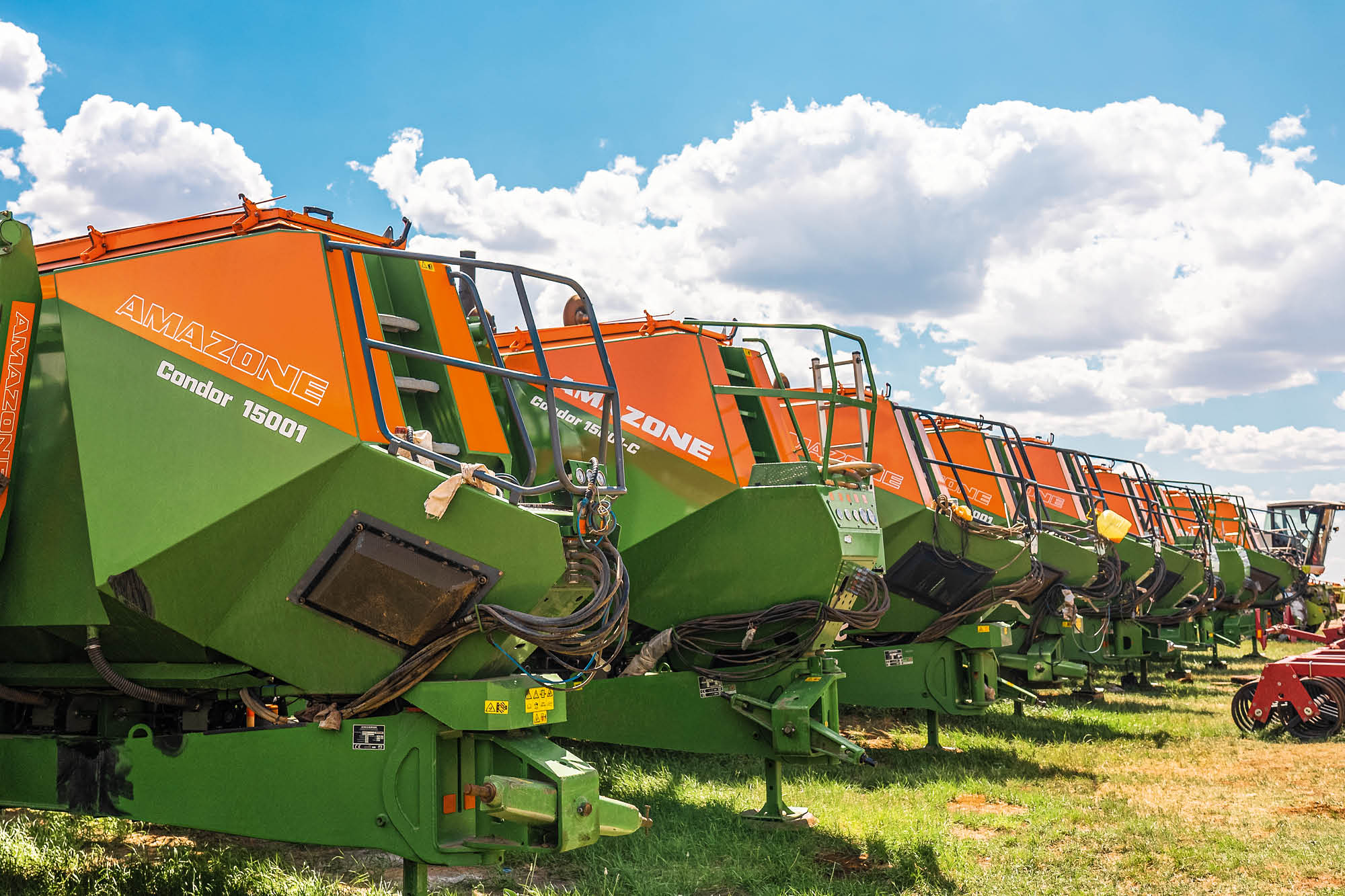
“We have 15 AMAZONE Condor seed drills, and the daily output per drill, working in two shifts, averages 200 ha. So we cover up to 3,000 ha every day” reports Timur Pshenov, who founded the Kazakhstani farm “En-Dala LLP” in 1996. Starting with an area of 46 hectares, the farm now encompasses 60,000 hectares in the Tselinograd district of Kazakhstan. “The AMAZONE tine seed drill makes a particular impression with its low fuel consumption of approx. 3.7 to 3.8 l/ha. An additional benefit is the required tractor power rating of just 250 hp”, says Timur Pshenov. As a result of the low precipitation in the region, we use the Condor to sow directly into the stubble, mown as tall as possible, without soil tillage. Base fertiliser application is also carried out at the same time. The direct seeding into very tall stubble is intended to enrich the organic mass in the soil in order to increase the water capacity of the soil. Timur Pshenov explains: “The No. 1 yield factor in our region is the moisture in the soil.” Lots more moisture remains in the soil as a result of the minimal soil movement caused by the Condor. “The seed lies in a sort of depression and is thus less influenced by the wind. This is also an outstanding characteristic.”, according to Timur Pshenov.


A view of the farm showing the machines lined up in a row.


More information + Less information -

Isabell von Spiegel and Christoph Nagel, Germany, Condor 12001-C

We opted for the Condor from AMAZONE because we were impressed by its working width and the seed hopper capacity. We get almost complete emergence, even if there is only a limited amount of moisture in the soil.

More information + Less information -

Are you interested?

Provide us your contact details* and we will get back to you:
* Your contact details will only be used to contact you as requested.