Tramline offset

Tramline offset

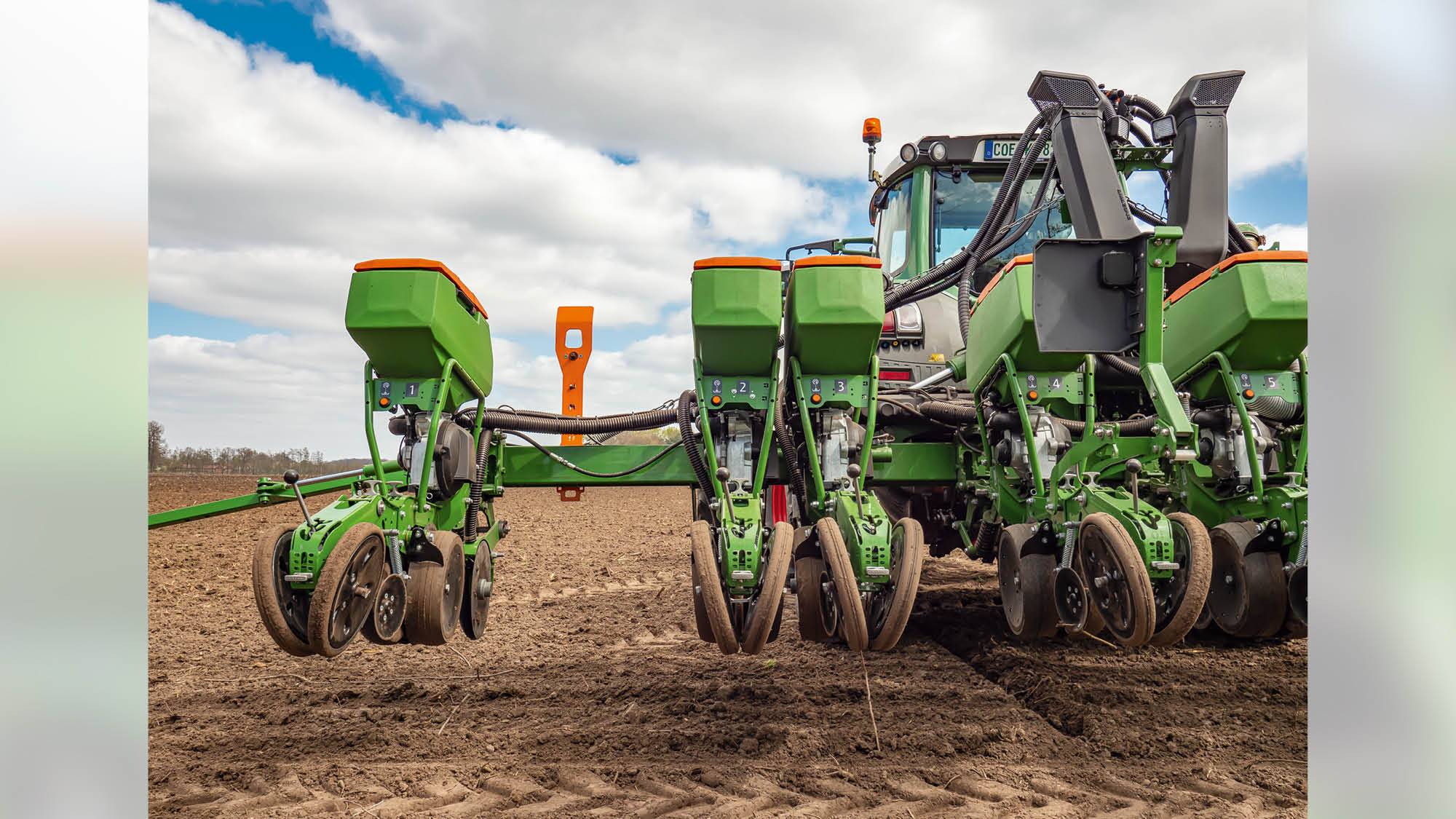
Wheelings in the field inevitably reduce the actual growing area for the crop. Although switching off the rows in the wheel marks saves on inputs such as seed and fertiliser, it reduces the seed rate and thus reduces the natural yield potential of the field. The tramline offset solves this problem, since the units in the affected rows are hydraulically moved to the side. This prevents the rows from being switched off and ensures that the seed density remains the same. Crop care machinery can drive through the crop without damaging the plants.

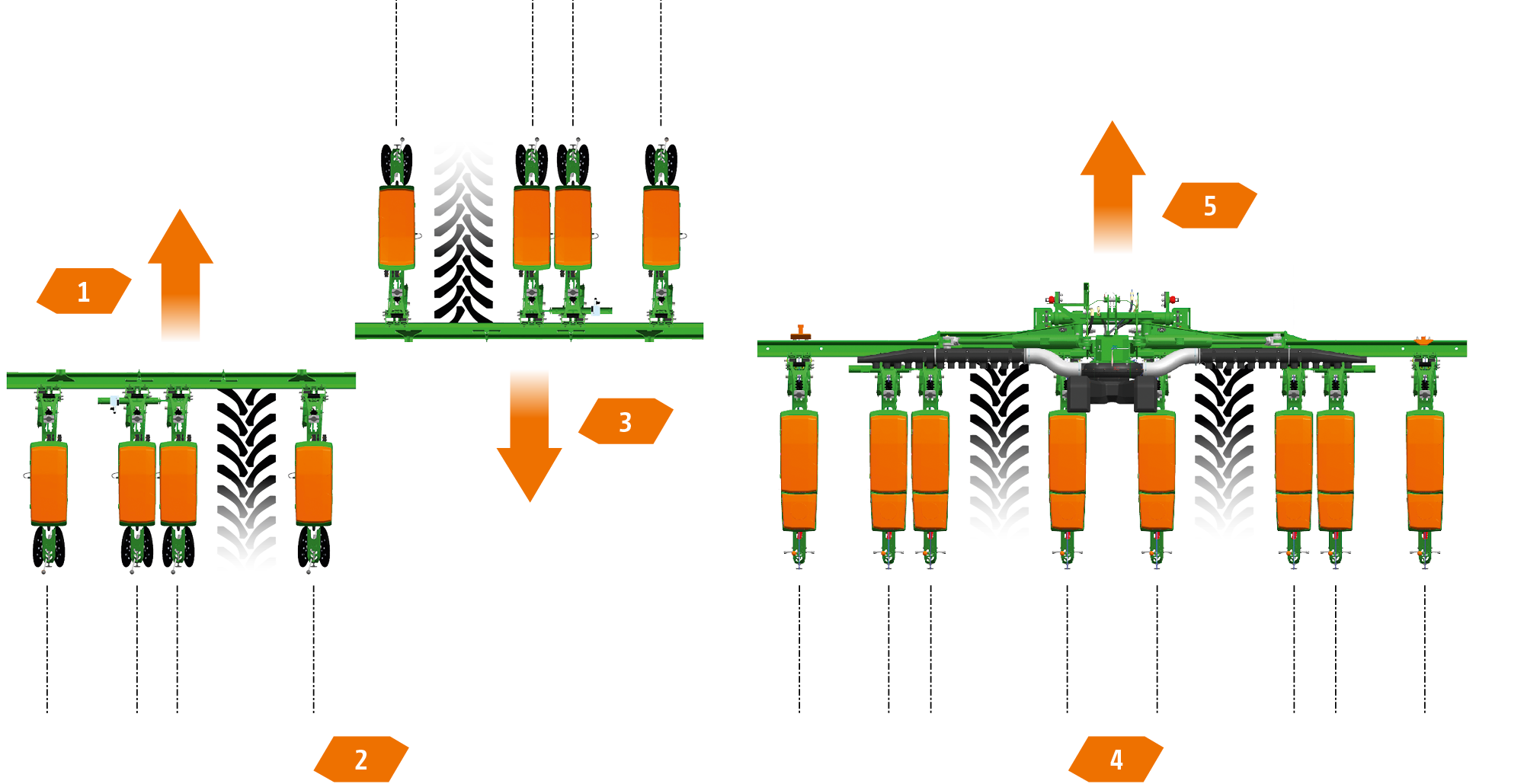
Creation of a tramline without row shut-off by offsetting the second sowing unit to the right.

1. The left-hand tramline was already created during the first pass.
2. The right-hand tramline is created during the second pass.


Your advantages with a hydraulic tramline offset:

  • Optimum yield potential since the seed rows do not need to be switched off, they are just offset
  • Relief for the driver by automatic detection and adaption to make the tramline
  • Lack of plant damage during subsequent working in the crop, as a result of the existing tramline
  • Optimum fertiliser supply since the fertiliser coulter and the singling unit are displaced together

Large row spacing for creating a tramline by offsetting the unit

More information + Less information -

Create tramlines easily – maintain yield potential

Many Precea models can be optionally equipped with a hydraulic tramline offset. When the seeder is tramlining, the PreTeC sowing units, including the fertiliser coulters, are hydraulically offset fully automatically without the sowing units being switched off. The seed rate per hectare therefore remains constant. As a result, row spacings of up to 115 cm are possible.

With symmetrical tramlines, the relevant sowing units are moved simultaneously and the tramlines are created in just a single pass. In the case of asymmetrical tramlines, only one track is created per pass by shifting the relevant sowing unit, and the tramline is completed in the second pass. The maximum offset distance of a unit is 400 mm. The offset travel can also be reduced if the entire width is not required due to track width or tyre size.


1. Pass
2. The asymmetric offset permits track widths up to 2.1 m
3. Pass
4. Symmetric tramline offset on the Precea 6000-2
5. Pass

More information + Less information -

Are you interested?

Provide us your contact details* and we will get back to you:
* Your contact details will only be used to contact you as requested.