
Looking back: AMAZONE KG Rotary Cultivator
The rotary harrow enjoyed its heyday in the 1970s. It was particularly well received by farmers when used in conjunction with seed drills. The rotary harrow uses tines driven by the PTO shaft that are set in “trailing” mode – meaning that they do not actively penetrate the soil. However, this design has a significant disadvantage: the tines skim the surface and often fail to reach the desired working depth in heavy ground.
AMAZONE responded to this challenge with an innovative solution: the rotary cultivator. Unlike a rotary harrow, the tines here are “on-grip” – meaning they actively penetrate the soil, loosening it effectively and allowing for precise adjustment of the working depth.
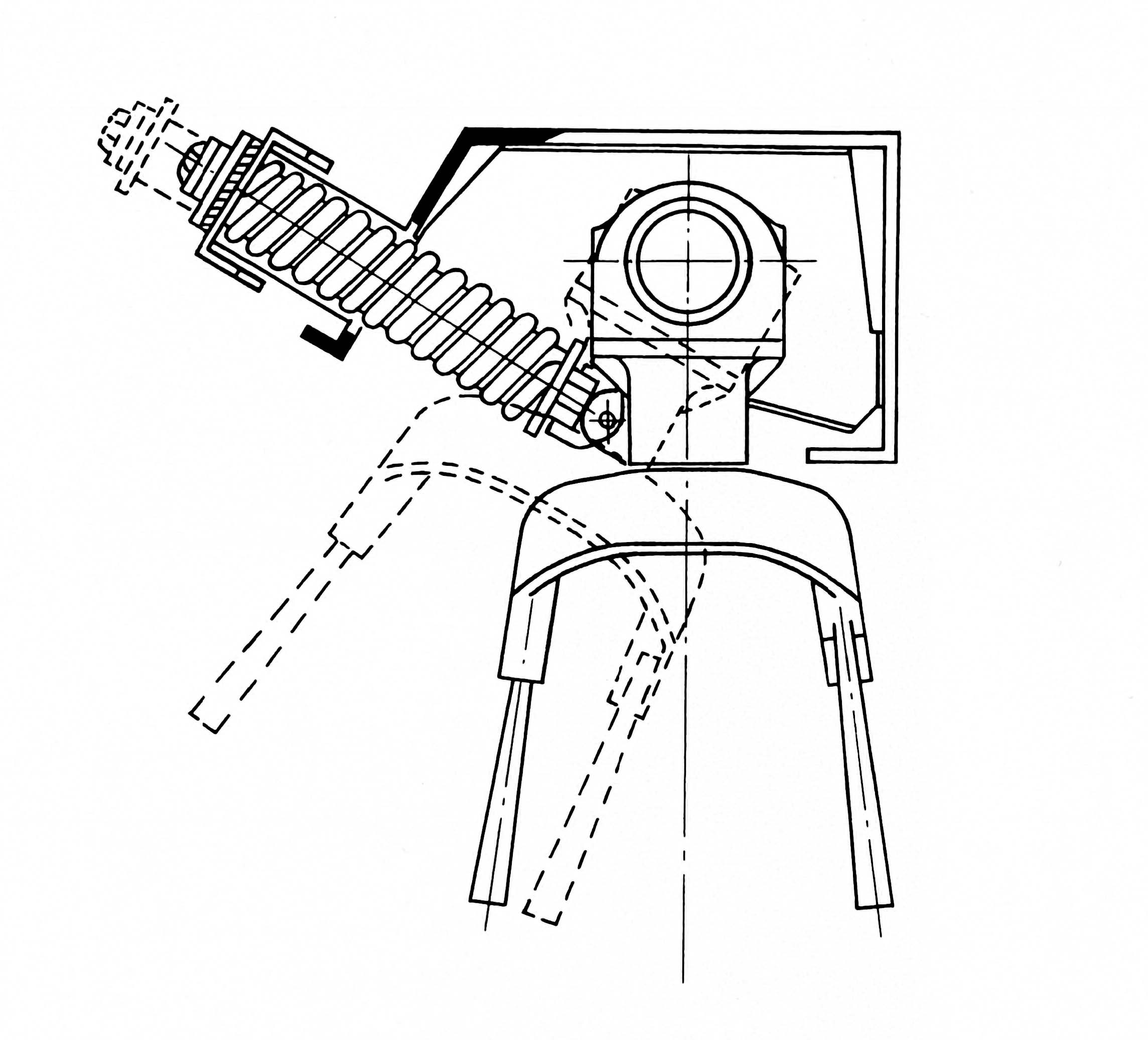
The first AMAZONE KG rotary cultivator was of a technically sophisticated and complicated design. Each rotor assembly had its own gearbox, and strong compression springs ensured that the modules could move out of the way if they encountered resistance. Although this solution worked, it was expensive and prone to malfunction.
As technology advanced, a significantly more robust and cost-effective solution eventually became the norm: 'on-grip' tines made from hardened and tempered steel. These can automatically deflect to avoid obstacles – without the need for an additional mechanism. A principle that has proven its worth, time and time again, for almost four decades. Today, the AMAZONE KG Rotary Cultivator remains one of the best-selling products in the range.